
Trade indices with funded capital
ExploreNAS100 is a common ticker for the Nasdaq-100, a stock index that tracks the 100 largest non-financial companies listed on the Nasdaq exchange. It is one of the most traded indices in the world because it is heavily weighted toward mega-cap technology, which makes it a direct way to trade the direction of big tech.
This guide explains what NAS100 is, what companies it tracks, why it is so volatile, how it differs from the S&P 500, and the practical ways traders take a position on it, including through the QQQ ETF on a funded account.
Highlights of this article
- NAS100 is a ticker for the Nasdaq-100, an index of the 100 largest non-financial companies on the Nasdaq
- It is heavily weighted toward technology, so a handful of mega-cap names drive much of its movement
- NAS100, US100, USTEC, and NDX are all labels for the same underlying Nasdaq-100 index
- The QQQ ETF tracks the Nasdaq-100 and trades on a regulated US exchange
- On a Velotrade funded account you trade the Nasdaq-100 through QQQ at up to 6x, alongside four other asset classes
What NAS100 actually is
NAS100 is a shorthand ticker many trading platforms use for the Nasdaq-100 index. The index tracks the 100 largest non-financial companies listed on the Nasdaq stock exchange, weighted by market capitalization, so the biggest companies have the largest influence on its price.
Different platforms label the same index differently. NAS100, US100, USTEC, and NDX all refer to the Nasdaq-100. The ticker changes; the underlying basket does not.
Because it excludes financial companies and is weighted by size, the Nasdaq-100 is dominated by technology and consumer-tech giants. That concentration is the whole point for many traders: NAS100 is the cleanest single instrument for taking a view on big tech.
Thinking about using this on a funded account? Before you do, read the best prop firms for index traders, how a static maximum drawdown works and why traders fail prop challenges.
What companies are in the Nasdaq-100?
The index holds 100 of the largest non-financial Nasdaq-listed companies across technology, consumer services, healthcare, and communications. The top holdings are the familiar mega-cap technology and consumer-tech names, and because the index is capitalization-weighted, that small group at the top carries an outsized share of the total. When those names move together on an earnings day or a rate decision, the whole index moves with them.
This is why the Nasdaq-100 can trend hard: it is effectively a leveraged bet on a concentrated group of the market's largest growth companies.
Why is NAS100 so volatile?
The Nasdaq-100 is typically more volatile than a broad index like the S&P 500 for two reasons:
- Concentration. A large share of the index sits in a handful of mega-cap tech names, so a single earnings surprise or guidance change ripples across the whole index.
- Rate sensitivity. Growth and technology companies are valued on future earnings, which are discounted more heavily when interest rates rise. That makes the Nasdaq-100 especially reactive to FOMC decisions and inflation data.
Intraday moves of 1% to 2% are routine, and data days can move it much more, so position sizing against a fixed loss limit matters on NAS100. If you plan to trade those intraday swings, start with our guide to day trading for beginners. Many NAS100 day traders also map the session with ICT tools such as the fair value gap and the order block, which mark where fast moves left unfilled orders behind.
NAS100 vs the S&P 500 (US500)
Both are large US equity indices, but they are built differently:
- NAS100 (Nasdaq-100) holds 100 non-financial Nasdaq companies and is tech-heavy, so it swings harder and trends with the technology cycle.
- US500 (S&P 500) holds 500 companies across every sector, including financials, so it is broader and generally less volatile.
Traders often use the Nasdaq-100 for higher-beta tech exposure and the S&P 500 for a broader read on the US market. For how to trade either, see how to trade indices. Many intraday index traders also use the VWAP indicator as a fair-value reference for the session.
How to trade NAS100
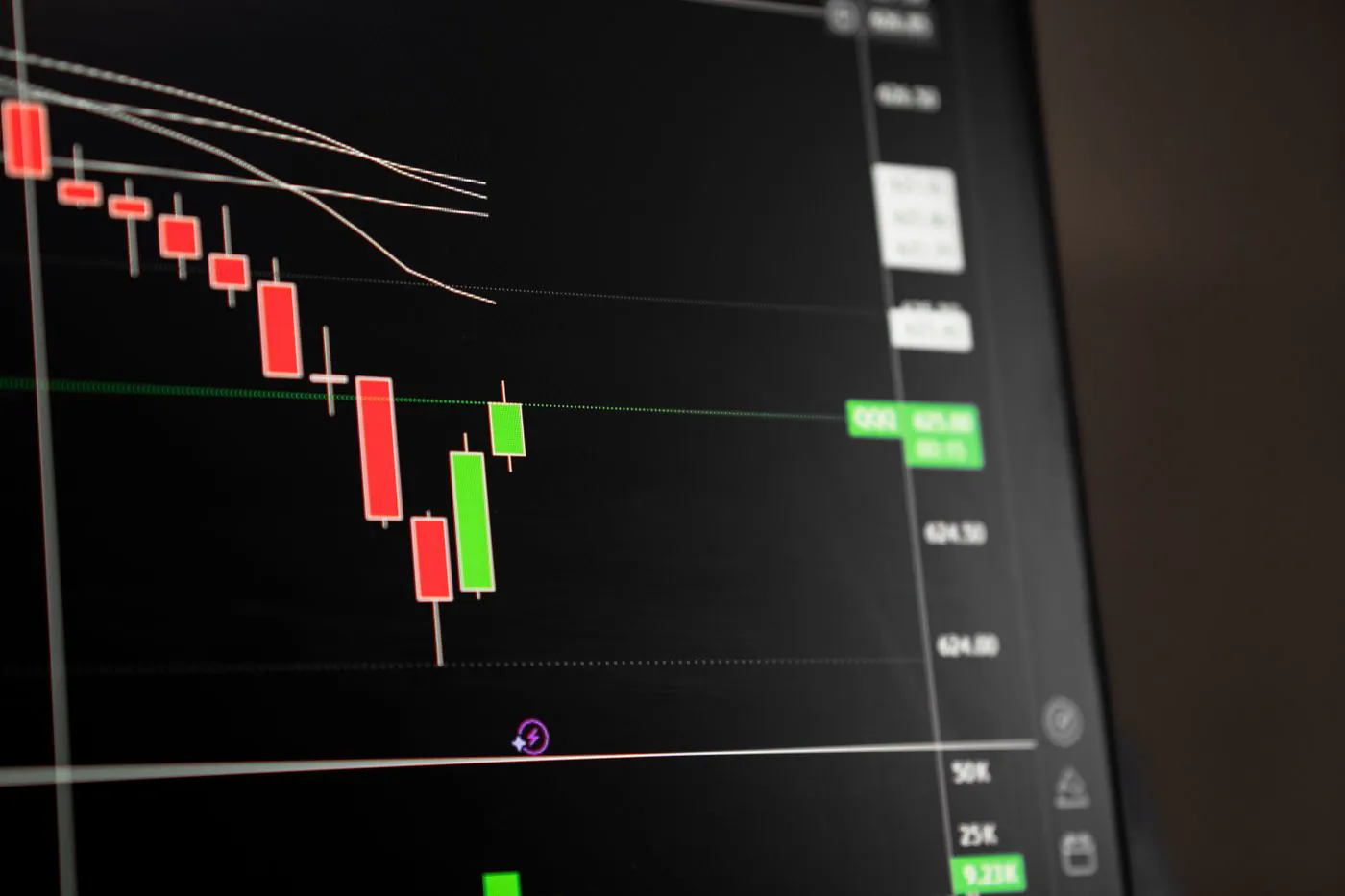
There are three practical routes:
- A NAS100 CFD through a broker, where available. Flexible sizing, but a synthetic instrument priced by the provider, and generally unavailable to US retail traders.
- Nasdaq-100 futures (CME E-mini NQ or micro MNQ) on a regulated exchange, with fixed contract sizes and expiries.
- The QQQ ETF, which holds the Nasdaq-100 basket and trades on a regulated US exchange, long or short with leverage on a margin or funded account.
For US-based traders, NAS100 CFDs are usually not available domestically, which makes the QQQ ETF or NQ futures the practical routes to Nasdaq-100 exposure.

Trading the Nasdaq-100 on a funded account
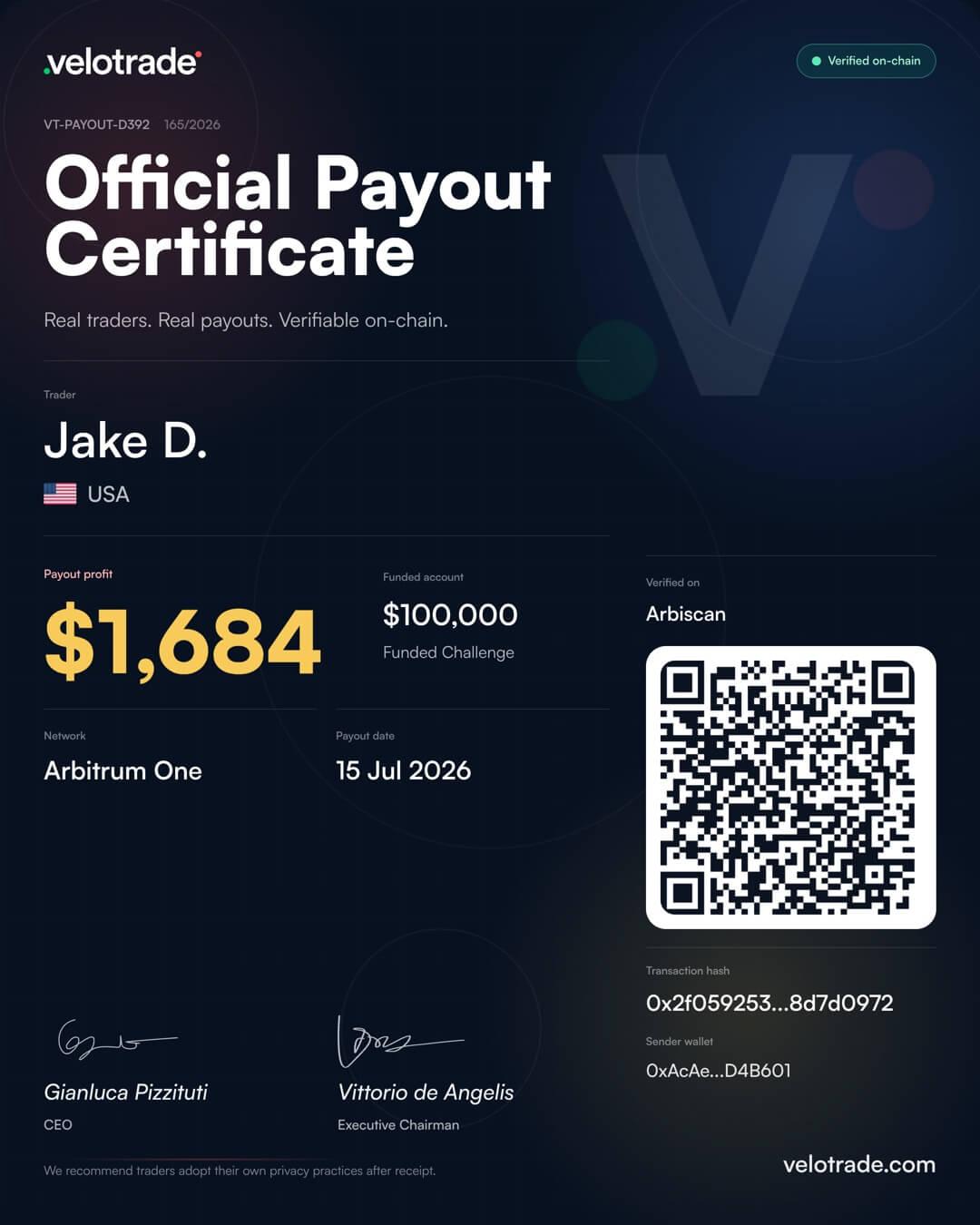
On a Velotrade funded account, you trade the Nasdaq-100 through the QQQ ETF rather than a synthetic CFD. QQQ holds the underlying basket and trades on a regulated exchange, and on a funded account it is available at up to 6x leverage on the challenge (5x funded), with commission of 0.03% per side and no spread markup.
It sits on one DXtrade account next to SPY (S&P 500), the Russell 2000, crypto, forex, and commodities, so you can trade the Nasdaq-100 and rotate into other markets without switching firms. The rules suit an active index strategy: static maximum drawdown (the floor is fixed from your starting balance and never trails your equity), no consistency rule, news trading permitted, and positions can be held through the weekend. To compare firms for index trading, see best prop firm for indices.
Velotrade is unregulated and offers educational, simulated evaluations with real-time market pricing. It is not a broker, dealer, or custodian, and no orders are placed on an exchange.

Frequently Asked Questions
About the author

Vittorio De Angelis
Executive Chairman
Former equity-derivatives trader at JP Morgan, Dresdner Kleinwort and Bank of America in London. Later Head of Brokerage at a global broker in Hong Kong.
Velotrade was founded in Hong Kong in 2016 by a team from JP Morgan, Dresdner Kleinwort and Bank of America, has paid out over $2.5 billion to its trade-finance clients, and has been featured in Bloomberg, the Financial Times, the Wall Street Journal and on Nasdaq. Its prop trading evaluations are simulated and educational.
View author page