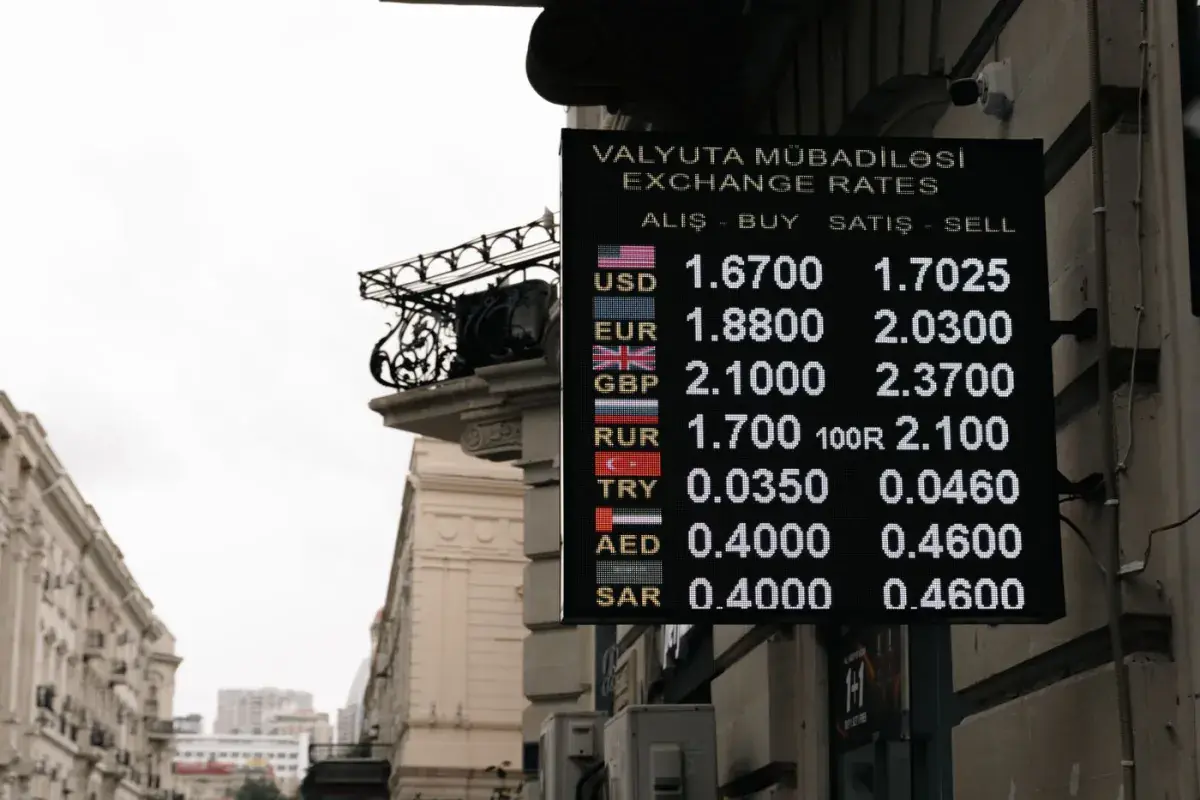
Trade forex with funded capital
ExploreForex trading is the buying and selling of currencies against each other to profit from changes in their exchange rate. It is the largest and most liquid market in the world, with trillions of dollars changing hands every day, and it runs 24 hours a day on weekdays. When you trade forex, you are always trading a pair: buying one currency and selling another at the same time.
This guide explains what forex trading is, how currency pairs and quotes work, the key terms (pip, lot, spread, leverage), why people trade forex, and the risks involved.
Highlights of this article
- Forex trading means exchanging one currency for another to profit from exchange-rate moves
- Every trade is a pair: you buy the base currency and sell the quote currency at once
- Prices move in pips; positions are sized in lots; costs come from the spread and commission
- Forex is traded with leverage, which amplifies both gains and losses
- It is the most liquid market in the world and trades 24 hours a day, five days a week
What forex trading actually means
Forex, short for foreign exchange (also called FX), is the global market where currencies are traded. Every transaction swaps one currency for another, so prices are always quoted as a pair, such as EURUSD (euro against US dollar) or USDJPY (US dollar against Japanese yen).
You profit when the currency you bought rises in value against the currency you sold. If you buy EURUSD and the euro strengthens against the dollar, you can sell it back for more dollars than you paid. If the euro weakens instead, you take a loss. Because it is always a pair, a forex trade is a view on one currency relative to another, never in isolation.
If you trade this on a funded account, the rules around it matter as much as the setup. Useful next reads: the best prop firms for forex traders, how a static maximum drawdown works and why traders fail prop challenges.
How a currency pair works
Read any pair left to right:
- The base currency is the first one (EUR in EURUSD). It is what you are buying or selling.
- The quote currency is the second one (USD in EURUSD). It is what the price is expressed in.
- The price tells you how much of the quote currency buys one unit of the base. If EURUSD is 1.10, one euro costs 1.10 US dollars.
Go long (buy) if you expect the base to strengthen against the quote. Go short (sell) if you expect it to weaken. Being able to trade both directions with equal ease is one reason forex appeals to active traders.
The key terms
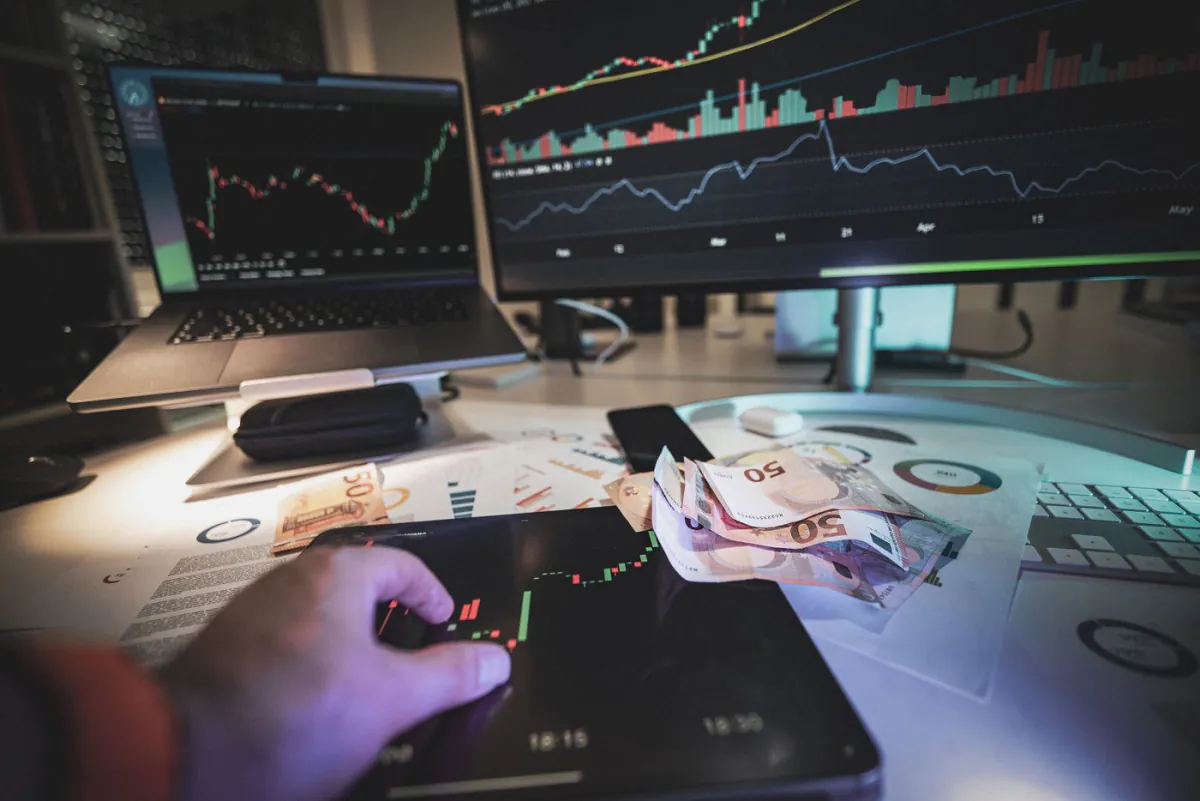
- Pip. The standard unit of price movement, usually the fourth decimal place (0.0001), or the second decimal on yen pairs. See what is a pip for the full detail, or use the pip value calculator to see what a pip is worth on any pair.
- Lot. The unit of trade size. One standard lot is 100,000 units of the base currency; mini and micro lots are 10,000 and 1,000. Lot size sets how much each pip is worth, and the forex lot size calculator turns your risk and stop into the right number of lots.
- Spread. The gap between the buy (ask) and sell (bid) price. It is a core cost of trading; majors have the tightest spreads.
- Leverage and margin. Forex is traded on margin, so a small deposit controls a larger position. Leverage magnifies gains and losses alike.
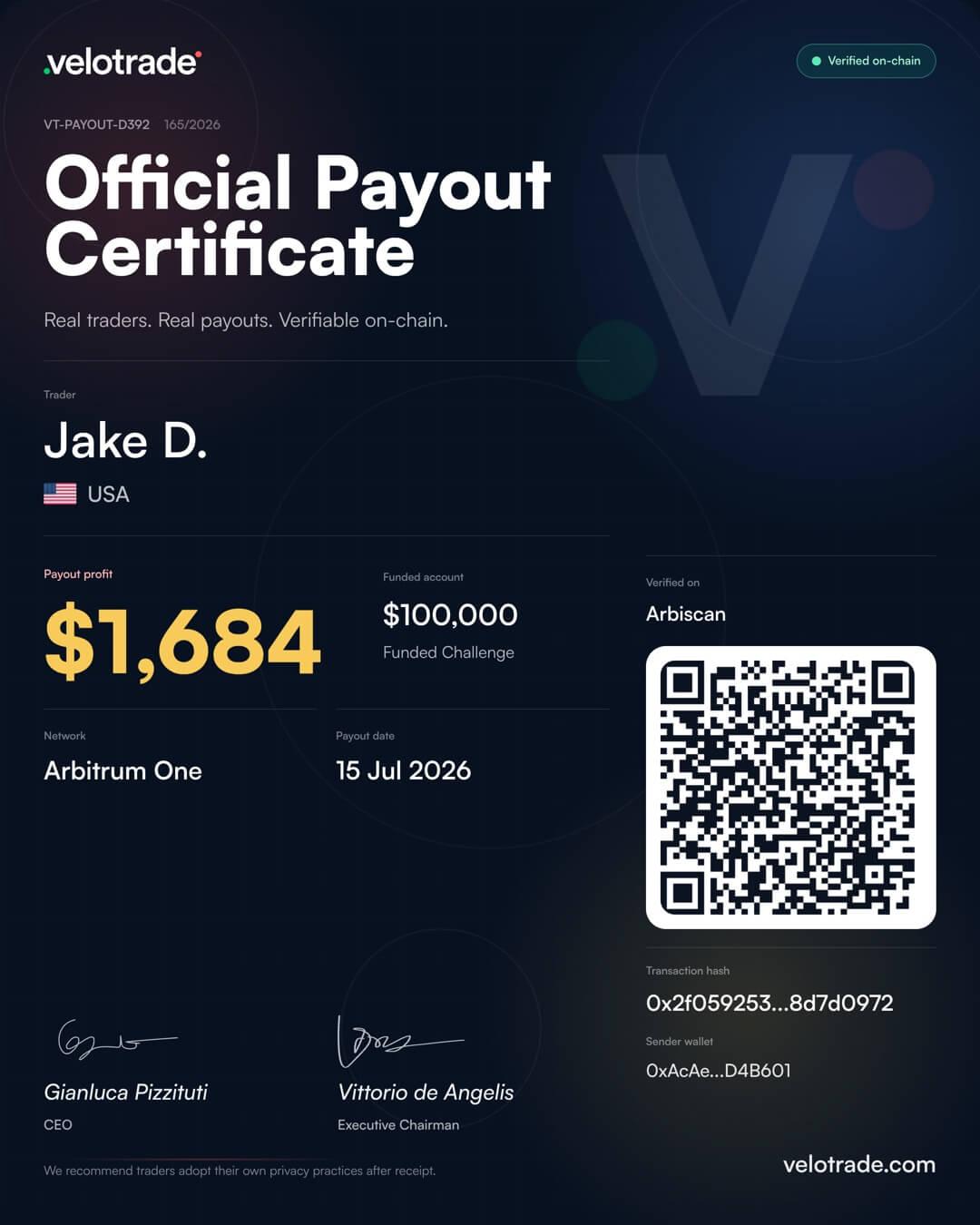
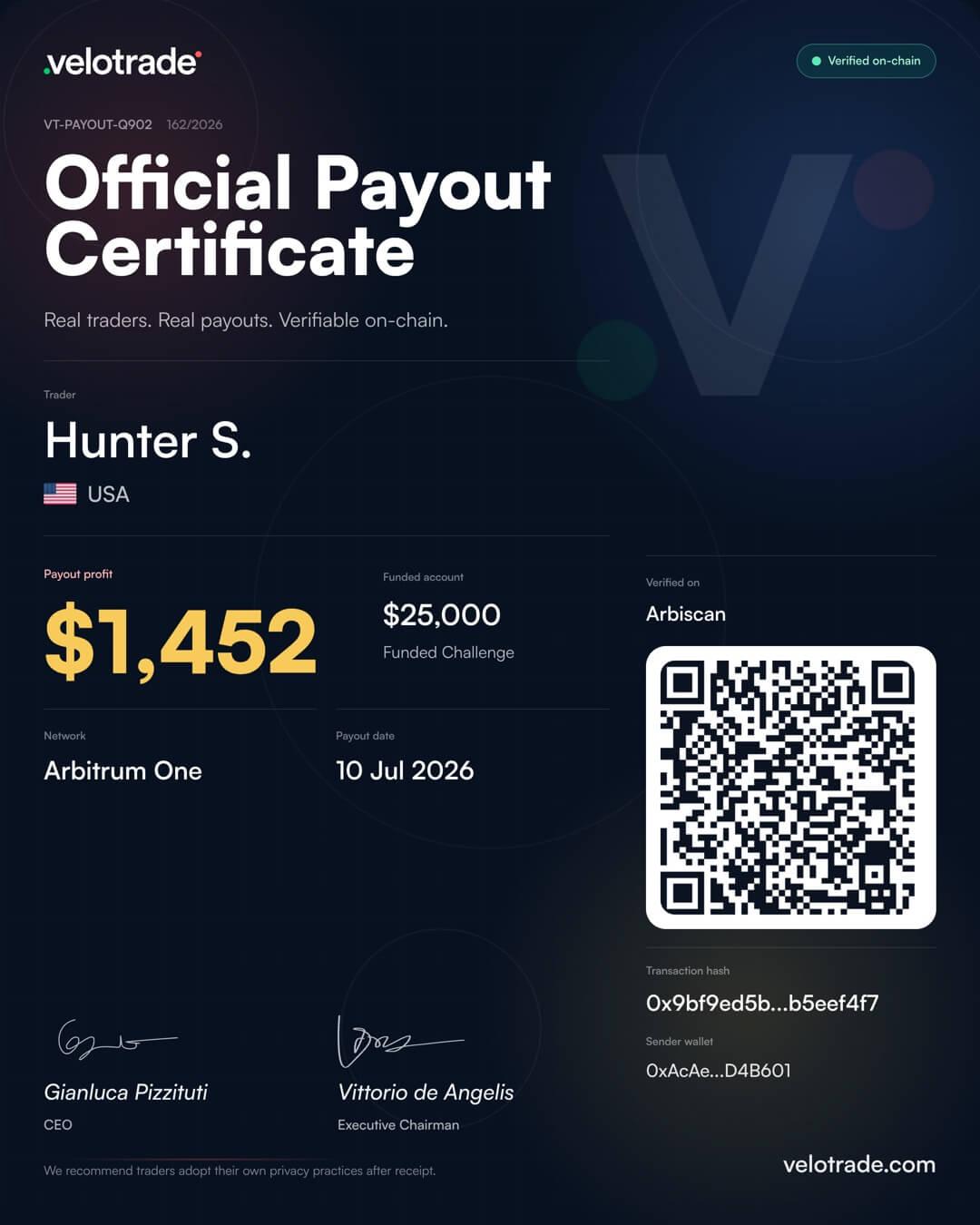
Why people trade forex
- Liquidity. It is the deepest market in the world, so major pairs are easy to enter and exit with tight spreads.
- Hours. It trades 24 hours a day on weekdays, so you can trade around a job or a timezone. For the session map, see forex market hours, or see which centres are open now on the forex sessions clock.
- Two-way opportunity. You can go long or short as easily, so you are not dependent on rising markets.
- Low cost of entry. Micro lots and leverage let traders start small, and funded accounts remove the need to risk large personal capital.
What moves exchange rates
Currency values reflect the relative strength of two economies. The main drivers are interest rates and central bank policy, inflation and growth data, and risk sentiment. A central bank raising rates typically strengthens its currency; a weak jobs report can sink it in seconds. Scheduled events like FOMC decisions and non-farm payrolls create the sharpest moves.
Traders read these drivers in two broad ways, through the economics or through the chart. Fundamental vs technical analysis compares the two. Chart readers usually start by marking support and resistance and the Fibonacci retracement levels of the last big move.
The risks
Leverage is the double-edged sword of forex. It lets a small account control a large position, but it magnifies losses just as fast as gains, and the most common way new traders blow up is by oversizing. Currencies can also gap around major news or over the weekend. The disciplined approach is to size every position against a fixed loss limit and a predefined stop, not against the leverage available. Before you place a trade, the forex profit calculator shows what it makes or loses in dollars at your target and stop. Keep return expectations modest too: the forex compounding calculator shows how a small monthly gain grows over a year, and how much a few losing months set it back.
How to start trading forex
You can trade forex through a retail broker (funding your own account), through currency futures on an exchange, or through a funded account, where you trade a firm's capital against a profit split after passing an evaluation. For the full walkthrough of each route, see how to trade forex.
On a Velotrade forex funded account, forex is a first-class market: 39 currency pairs, with majors at up to 50x on the challenge (30x funded), commission of 0.004% per side, and no spread markup, on one DXtrade account alongside crypto, indices, commodities, and stocks. The rules suit active FX trading: static maximum drawdown, no consistency rule, and news trading permitted. To compare firms for forex, see best prop firm for forex.
Velotrade is unregulated and offers educational, simulated evaluations with real-time market pricing. It is not a broker, dealer, or custodian, and no orders are placed on an exchange.
Frequently Asked Questions
About the author
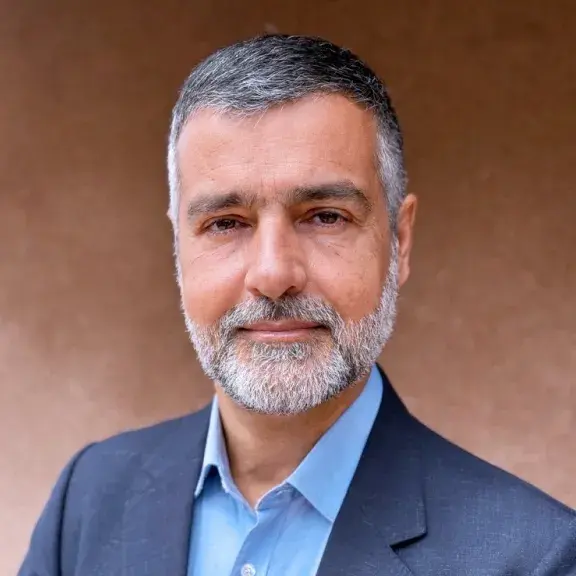
Vittorio De Angelis
Executive Chairman
Former equity-derivatives trader at JP Morgan, Dresdner Kleinwort and Bank of America in London. Later Head of Brokerage at a global broker in Hong Kong.
Velotrade was founded in Hong Kong in 2016 by a team from JP Morgan, Dresdner Kleinwort and Bank of America, has paid out over $2.5 billion to its trade-finance clients, and has been featured in Bloomberg, the Financial Times, the Wall Street Journal and on Nasdaq. Its prop trading evaluations are simulated and educational.
View author page